10 Powerful Reasons Why Nageshwar Jyotirlinga Holds Timeless Spiritual Importance
The first time I learned about Nageshwar Jyotirlinga, I felt an immediate sense of spiritual grounding — as if an ancient, protective energy had reached out to me. Over time, Nageshwar became far more than a sacred name; it became a guiding presence linking me to the timeless spiritual force of the 12 Jyotirlingas. Each of these Jyotirlingas—Somnath, Mallikarjuna, Mahakaleshwar, Kedarnath, Bhimashankar, and others — carries its own divine aura. Yet Nageshwar stands out to me for its unique association with protection, transformation, and the profound symbolism of the serpent.
As my practice deepened, I realized that Nageshwar didn’t just connect me to ancient stories; it illuminated aspects of my own inner journey. The serpent symbol, often misunderstood, began to represent rebirth, awakening, and the courage to shed what no longer serves me. Even in the noise of modern life, the presence of Nageshwar continues to offer calm, direction, and a silent reassurance that divine energy is always near.
Nageshwar Jyotirlinga: A Timeless Symbol of Protection
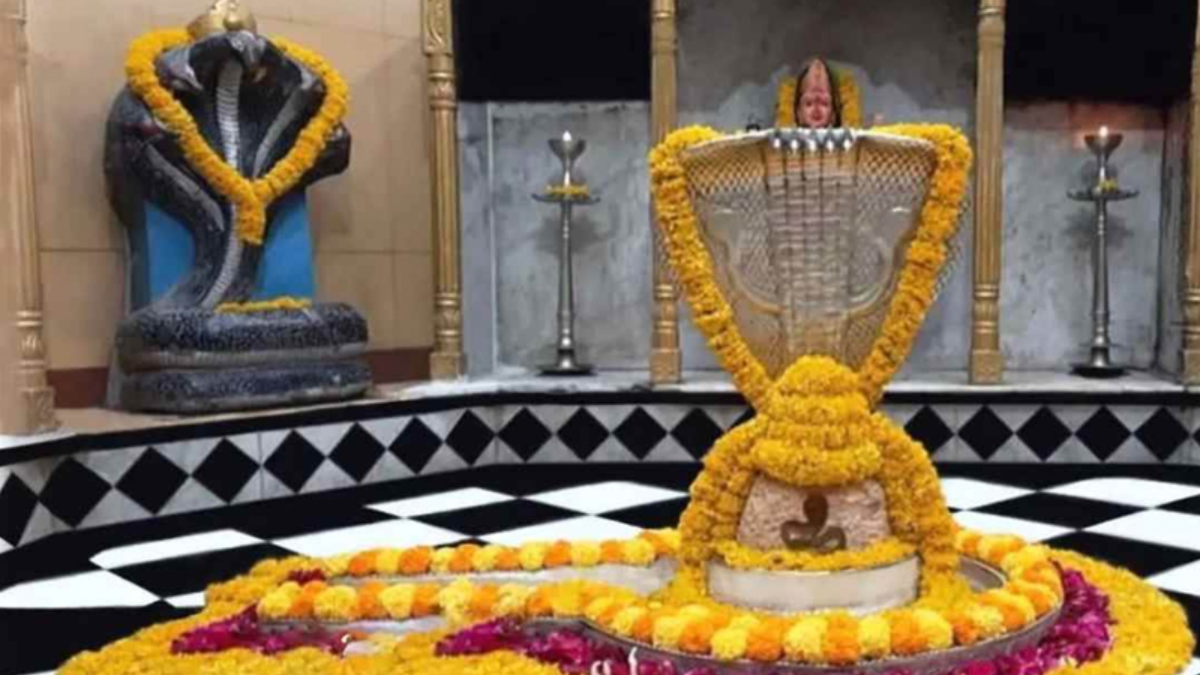
Whenever I meditate on Nageshwar, I’m reminded of the powerful image of Lord Shiva with a serpent coiled around Him — a symbol deeply rooted in Hindu tradition. Contrary to fearsome interpretations, the serpent here represents alertness, awareness, and spiritual protection. It’s a reminder that true safety often comes from heightened consciousness, not external defenses.
For me, Nageshwar embodies this idea completely. The Jyotirlinga at Nageshwar is believed to protect devotees from negative energies and illusions. This belief is not merely emotional — it is rooted in ancient texts that describe the Jyotirlingas as “self-manifested pillars of eternal light,” guiding seekers through confusion and fear.
Just as Somnath represents truth, Kedarnath represents endurance, and Rameshwaram reflects devotion, Nageshwar reflects fearlessness. In moments of uncertainty, meditating on Nageshwar feels like receiving a silent assurance: “You are protected. Continue your path.”
Nageshwar in Ancient Scriptures and Traditions
The spiritual significance of Nageshwar is grounded in ancient Hindu scriptures, particularly the Shiva Purana. According to the Purana, Nageshwar represents the victory of devotion over ego and illusion. The temple’s mythology is connected to the story of a devotee named Supriya, who was protected by Shiva from a powerful demon. This story reflects the universal theme of divine intervention during moments of crisis.
Across ancient India, serpent worship — called Naga worship — played a crucial role in spiritual life. Serpents symbolized fertility, cosmic balance, and inner power. When linked with Shiva, the serpent came to represent awakened kundalini energy rising toward enlightenment.
Although Nageshwar is one of the 12 Jyotirlingas, it also shares thematic connections with others:
Mahakaleshwar – liberation from fear
Trimbakeshwar – purification
Bhimashankar – spiritual power
Somnath – eternal truth
In this spiritual ecosystem, Nageshwar stands as a reminder of inner strength and conscious awareness.
Cultural Presence and Devotional Influence
As I traveled through different regions of India, I realized how deeply Nageshwar is embedded in cultural practices and everyday worship. The temple near Dwarka is not only a religious site but a vibrant cultural landmark.
Folk traditions and stories about Nageshwar highlight themes of protection, devotion, and transformation. Songs, temple carvings, and local legends preserve these stories for future generations. I remember listening to a folk singer near Dwarka narrate tales of devotees protected by Nageshwar—stories passed down for centuries.
In many homes, small Naga (serpent) symbols or Nageshwar idols are placed in prayer spaces to invite harmony and protection. Families often pass down simple practices such as lighting a lamp before a serpent deity, emphasizing values like awareness, honesty, and inner clarity.
This cultural continuity shows that devotion to Nageshwar is not just ritualistic—it’s a way of life, a connection that flows through families, communities, and generations.
Modern Relevance of Nageshwar
In today’s world, where mental stress and emotional overwhelm are common, I find Nageshwar more relevant than ever. Modern spirituality is shifting toward meditation, mindfulness, and inner healing — and Nageshwar naturally fits within this evolution.
Many people now incorporate Naga symbolism into yoga practice, meditation, visualization, or personal rituals. The serpent rising symbolizes personal growth, emotional release, and mental clarity—all essential for navigating modern challenges.
Digital spiritual communities across the world have embraced the symbolism of Nageshwar. The message is universal: transformation requires awareness, and awareness begins with stillness.
Some families place images of Nageshwar in meditation corners, symbolizing protection and grounding. Even in my own practice, when I focus on Nageshwar, I feel a deep shift—like the mind is clearing, breath is deepening, and the inner world is realigning.
How to Visit Nageshwar Jyotirlinga (Dwarka, Gujarat)
Visiting the Nageshwar Jyotirlinga near Dwarka was one of the most powerful spiritual experiences of my life. Everything about the journey — the landscape, the air, the temple chants—felt charged with divine presence.
✔ By Air
The nearest airport is Jamnagar Airport (JGA), around 137 km from Dwarka. The drive takes 2–3 hours and passes through peaceful rural scenery.
✔ By Train
Dwarka Railway Station is well connected to major cities like:
Ahmedabad
Rajkot
Surat
Delhi
Mumbai
From the station, the temple is just 15–20 minutes away.
✔ By Road
Dwarka is accessible through excellent state highways. You can reach it easily from:
Rajkot
Jamnagar
Porbandar
Ahmedabad
From the Dwarkadhish Temple, Nageshwar is just 16–17 km (20–25 minutes) by taxi or auto.
✔ Best Time to Visit
October to February offers pleasant weather
Early mornings feel spiritually serene
Avoid peak summer afternoons due to heat
✔ Inside the Temple
The 25-meter-tall Shiva statue, the peaceful ocean breeze, and the chants create a sacred atmosphere. Sitting there in silence, I felt a deep sense of calm — as if the blessings of Nageshwar were settling gently on my mind and heart.
Conclusion
Reflecting on Nageshwar’s role in my spiritual life, I realize how deeply it embodies inner protection, clarity, and transformation. The serpent symbolism encourages courage — the courage to shed limiting beliefs and step into awareness.
Just like the 12 Jyotirlingas illuminate different facets of Shiva’s power, Nageshwar illuminates the path of inner awakening.
For me, Nageshwar isn’t just a place or a legend — it’s a companion on my spiritual journey. A reminder that divine protection is subtle yet powerful, and always present.
May Nageshwar guide your steps, strengthen your spirit, and bring deep peace into your life, just as it has brought into mine.
Discover more from Bhuchi's World
Subscribe to get the latest posts sent to your email.











Post Comment